HA4 carpet cleaning tips for Ruislip homes
If you live in HA4, you already know carpets in Ruislip homes take a bit of a beating. Mud from the school run, rain tracked in from the pavement, crumbs under the dining table, the odd spill that somehow appears out of nowhere - it all builds up. And truth be told, a carpet can look tired long before it actually feels dirty underfoot.
This guide brings together practical HA4 carpet cleaning tips for Ruislip homes, with a clear focus on what works in real houses, flats, family homes, rentals, and busy households. You'll find simple methods, sensible product advice, a step-by-step routine, common mistakes to avoid, and a realistic way to decide when DIY is enough and when a professional clean makes more sense. Nothing fancy for the sake of it. Just useful guidance you can actually use.
If you want to understand carpet care in a way that saves time, protects fibres, and helps your home feel fresher for longer, you're in the right place.
- Why HA4 carpet cleaning tips for Ruislip homes matter
- How carpet cleaning works in practice
- Key benefits and practical advantages
- Who this is for and when it makes sense
- Step-by-step guidance
- Expert tips for better results
- Common mistakes to avoid
- Tools, resources and recommendations
- Law, compliance, standards, or best practice
- Options, methods, or comparison table
- Case study or real-world example
- Practical checklist
- Conclusion
- Frequently asked questions
Why HA4 carpet cleaning tips for Ruislip homes Matters
Carpet care matters in HA4 for a few very down-to-earth reasons. Ruislip homes often deal with a mix of family traffic, pets, commuter routines, and that classic London weather pattern where a dry morning can turn wet by lunch. Carpets quietly collect all of it. Dust, pollen, grit, pet hair, and moisture can all settle into the pile, and once that happens the carpet starts to lose brightness, softness, and freshness.
There's also the practical side. Clean carpets can help a room feel more orderly and comfortable, which sounds obvious, but you notice it most when the house has been busy. A hallway runner that's properly maintained makes a first impression. A lounge carpet that's looked after just feels nicer when you kick off your shoes at the end of the day.
Another reason this topic matters: not all carpet care advice is equal. A lot of online tips are written like every carpet is the same. They're not. Wool, synthetic blends, loop pile, twist pile, and older fitted carpets each behave differently. Add in the realities of local homes - maybe a small flat near the station, maybe a semi with a family room used every day - and a one-size-fits-all approach usually falls short.
In our experience, the biggest wins come from consistency rather than dramatic deep cleans once in a blue moon. Little and often tends to work better. Boring? Maybe. Effective? Absolutely.
How HA4 carpet cleaning tips for Ruislip homes Works
At its simplest, carpet cleaning works by loosening dirt, lifting it from the fibres, and removing it before it settles back in. The method you choose depends on the type of dirt, the carpet fibre, and how much soil has built up.
There are usually three layers to the process:
- Surface removal - vacuuming away dry dirt, dust, and debris before it gets ground deeper in.
- Spot treatment - dealing with stains or marks using a suitable cleaner and controlled moisture.
- Deep cleaning - using a more intensive method, such as hot water extraction or low-moisture cleaning, to refresh the pile more thoroughly.
The trick is to match the method to the problem. A muddy footprint after a wet school run does not need the same approach as a set-in drink spill or a hallway carpet that's dulled over years of footfall. Sometimes a quick extraction of surface dirt is enough. Other times, you need a more considered clean that reaches deeper into the fibres.
Moisture control matters too. Too much water can lengthen drying time, encourage re-soiling, or leave a carpet feeling stiff. Too little, and you may only move the dirt around. That balance is one of the things people often underestimate. It looks easy from the outside. Then you try it on a stubborn patch and, well, it gets interesting.
Key Benefits and Practical Advantages
There's a reason people keep returning to carpet maintenance rather than waiting until things look bad. The practical gains are real, especially in busy Ruislip homes.
- Better appearance: Colours stay brighter and the carpet looks more even across the room.
- More comfortable feel: A well-cleaned carpet feels softer and fresher underfoot.
- Longer carpet life: Removing grit and embedded soil helps reduce wear on fibres.
- Improved day-to-day hygiene: Regular cleaning reduces the build-up of dust and everyday debris.
- Less lingering odour: Spills, pets, and damp shoes can leave smells behind if they are not dealt with properly.
- Better stain resistance over time: The quicker you remove residue, the less likely it is to bond with the fibre.
There's also a subtle benefit that people only notice after the fact: the room feels easier to live in. It sounds a bit vague, but it's true. A clean carpet changes the whole tone of a room. The edges look sharper. The space feels calmer. Even a slightly tired lounge can feel perkier after a proper clean.
If you're preparing a property for guests, tenants, photos, or just a more comfortable week at home, carpets are often one of the fastest improvements you can make.
Who This Is For and When It Makes Sense
These tips are useful for a wide range of HA4 households, but they matter most if your carpet sees regular traffic. That includes families with children, pet owners, landlords, tenants coming to the end of a tenancy, and anyone who wants to stay on top of maintenance instead of reacting to disasters.
It also makes sense if you've noticed any of the following:
- high-traffic paths through the hallway, living room, or stairs
- patches that look dull even after vacuuming
- stains that keep reappearing after drying
- pet odours or lingering food smells
- carpets that feel flat, gritty, or uneven
- recent decorating, building work, or a big clean-out
For landlords and tenants, timing matters. A carpet that looks passable in daily life may need more attention before inspections or move-outs. For homeowners, seasonal cleanings can be sensible, especially after winter mud or a busy summer of open windows, visitors, and more foot traffic.
Not every carpet needs a full deep clean on a fixed schedule, but if you've started to notice the room "looking tired" rather than just dirty, that's usually the cue. Your eyes tend to know before the brain catches up.
Step-by-Step Guidance
Here's a clear, practical way to approach carpet cleaning in a typical Ruislip home. Keep it simple, and don't rush the prep stage. That's where most of the success sits, to be fair.
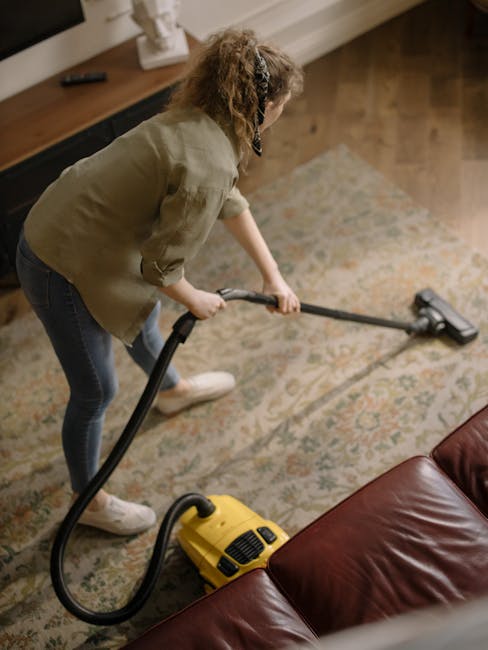
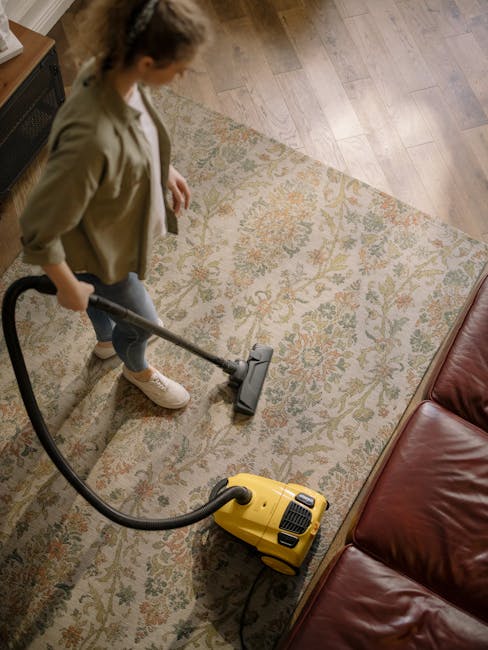
- Vacuum thoroughly first. Go slowly. Use overlapping passes and pay extra attention to edges, skirting lines, and under furniture where possible.
- Identify the carpet fibre. Wool, synthetic, and blended carpets react differently to moisture and cleaning agents. If you are not sure, test cautiously in an inconspicuous area.
- Treat stains before deep cleaning. Blot, don't scrub. Work from the outside of the stain inward so it does not spread.
- Choose a suitable cleaning method. Light soil may respond to spot cleaning or low-moisture treatment. Heavier build-up often benefits from a deeper extraction process.
- Use controlled moisture. Apply only what is needed. A carpet should be damp, not soaked.
- Agitate gently if needed. Use a soft brush or cloth in the direction of the pile. Avoid anything abrasive that might rough up the fibres.
- Remove residue properly. Any cleaner left behind can attract dirt later. Rinse or extract carefully if the product instructions call for it.
- Dry the room well. Open windows if weather allows, increase airflow, and keep foot traffic low until the carpet is fully dry.
For a quick stain on a family room carpet, the best result is often surprisingly plain: blot, clean, blot again, then let it dry properly. Simple, yes. But simple often wins.
If the carpet has multiple stains, flattening, or a general grey cast from traffic, a more thorough clean may be needed. That's where a trained cleaner or a properly chosen machine becomes more useful than a kitchen-towel-and-hope strategy. Nobody wins that game.
Expert Tips for Better Results
Good carpet cleaning is partly technique and partly restraint. Overdoing it can create more problems than it solves. A few small habits make a big difference.
- Act quickly on spills. Fresh stains are always easier than old ones.
- Work in sections. This prevents missed patches and makes drying more even.
- Use white cloths for stain work. Coloured cloths can transfer dye, especially when damp.
- Test cleaners first. A hidden corner is better than learning the hard way on a visible patch.
- Vacuum after the carpet is fully dry. It helps lift the pile and removes any loosened debris.
- Protect clean areas. Put felt pads under furniture legs and avoid heavy traffic for a while if you can.
Here's a small but useful observation: carpets often look their worst when light hits them from the side. That's because pile distortion and residue show up more clearly that way. If you want to check your results properly, look at the carpet in daylight from a few angles. Slightly annoying, but it tells the truth.
One more thing - if your home has pets, resist the urge to rely on fragrance-heavy products to mask smells. You'll usually get a better outcome by treating the source, cleaning properly, and drying the area well. Smell cover-ups are a bit of a cheat, and carpets tend to expose cheats eventually.
Common Mistakes to Avoid
Some carpet problems are caused less by dirt and more by well-meant mistakes. That's the frustrating part. People try to help the carpet, and the carpet answers back in blotches.
- Scrubbing stains aggressively: This can fray fibres and push the mark deeper.
- Using too much water: Over-wetting leads to long drying times and can leave marks or odours behind.
- Skipping vacuuming first: Wetting loose soil makes it harder to remove.
- Using the wrong cleaner: Some products are too harsh for wool or delicate carpet constructions.
- Ignoring drying time: Walking on a damp carpet can resoil it almost immediately.
- Mixing products: This is a bad idea for both performance and safety.
Another common mistake is treating all stains the same. Coffee, mud, grease, pet accidents, and food spills behave differently. Mud often needs drying before removal; oily stains may need a specialist approach; organic spills may need careful deodorising as well as stain lifting. One method for everything? Not really.
And yes, there is such a thing as cleaning too often with the wrong method. If the carpet starts looking worn or patchy after repeated harsh treatment, the cleaning routine itself may be the issue rather than the carpet. Bit annoying, but fixable.
Tools, Resources and Recommendations
You do not need a house full of specialist kit to maintain carpets well. In many Ruislip homes, a sensible small toolkit is enough for routine care and spot treatment.
- Vacuum cleaner with decent suction: Ideally one that can handle edge work and different pile heights.
- Microfibre cloths: Useful for blotting spills without pushing them around.
- Soft-bristled brush: Handy for lifting the pile gently and working in a cleaner where appropriate.
- Suitable carpet cleaning solution: Choose one matched to your carpet type and the stain you are treating.
- Clean spray bottle or extraction machine: Depending on the method you are using.
- Fans or good airflow: Helpful for drying, especially during cooler months when windows may stay closed.
If you're comparing a DIY approach with professional cleaning, it helps to think in terms of frequency and condition. Light, regular upkeep can be done at home. Deeper contamination, recurring odours, awkward stains, or heavy traffic areas may benefit from professional equipment and experience. A decent cleaner can often deal with what a home machine simply cannot shift. That's not a criticism; it's just reality.
If you are looking at broader home upkeep as well, some households combine carpet cleaning with related services such as domestic cleaning, deep cleaning, or end of tenancy cleaning when the whole place needs a reset. That can be a sensible way to tackle the job without stretching it over several weekends.
Law, Compliance, Standards, or Best Practice
For most homeowners, carpet cleaning is not a heavily regulated task in itself, but there are still sensible standards and best practices to keep in mind. Safety, product instructions, and proper handling matter. They always do.
If you're using a professional service, it is reasonable to expect clear pricing, transparent communication, and careful treatment of your property. You should also expect sensible precautions around electrical equipment, wet surfaces, and the use of cleaning products. The same goes for insurers and landlords who may ask for evidence that work has been carried out responsibly after damage or a tenancy clean.
Best practice also includes:
- following product labels and dilution guidance
- testing on hidden areas first when appropriate
- keeping children and pets away from freshly treated areas until dry
- ventilating rooms properly
- protecting wood floors, skirting, and nearby furniture from moisture
If you are considering professional help, a reputable company should be able to explain its methods, what happens if a stain does not fully lift, and how long drying might take in ordinary home conditions. Clarity is a good sign. Fuzzy answers are usually a little warning bell.
For general business and service reassurance, it can also help to review pages such as insurance and safety, health and safety policy, and terms and conditions so you know what standards the company sets for itself.
Options, Methods, or Comparison Table
Different carpets need different approaches. The right choice depends on fibre type, stain level, drying time, and how much disruption you can tolerate. Here's a plain-English comparison.
| Method | Best for | Pros | Watch out for |
|---|---|---|---|
| Vacuuming and spot cleaning | Routine maintenance, small fresh spills | Fast, low cost, easy to repeat | Won't remove deep soil or old odours |
| Low-moisture cleaning | Light to moderate soil, quicker turnaround | Shorter drying time, less disruption | May not suit very dirty carpets or heavy staining |
| Hot water extraction | Deeper cleaning, traffic lanes, embedded dirt | Thorough refresh, good for worn-looking areas | Longer drying time if overused or poorly executed |
| Professional specialist treatment | Delicate fibres, stubborn stains, unusual damage | Experience, better assessment, tailored approach | Usually costs more than basic DIY upkeep |
For many HA4 households, the best answer is a combination: vacuum regularly, treat spills fast, and book a deeper clean when the carpet starts to look flat or dull. That mix is often more realistic than chasing perfect results every week. Life happens.
Case Study or Real-World Example
A typical example from a Ruislip home: a family with two children and a dog noticed the living room carpet had developed a dark path between the sofa, the patio door, and the stairs. Nothing dramatic at first. Just a sort of tired look that became more obvious in daylight. There were also a couple of smaller food marks and a faint smell after damp weather.
They started with a thorough vacuum, then treated the visible marks one by one instead of soaking the whole room. The traffic lane was cleaned more carefully, but with controlled moisture and proper drying time. Furniture was lifted where possible, and the room was left ventilated for most of the afternoon. Nothing flashy. Just methodical work.
The biggest improvement came not from any single miracle product, but from the combination of prep, patience, and avoiding over-wetting. The carpet did not suddenly look brand new - that would be misleading - but it looked cleaner, lighter, and much more even. Enough of a difference that the room felt more inviting straight away.
That's the reality for most homes, actually. The goal is usually restoration, not reinvention.
Practical Checklist
Use this checklist before, during, and after cleaning to keep things simple and sensible.
- Vacuum the carpet thoroughly before using any liquid cleaner.
- Identify the likely fibre type if you can.
- Test any new product in a hidden spot.
- Blot spills rather than scrubbing them.
- Use the smallest amount of moisture needed.
- Work in sections so you do not miss patches.
- Keep windows open or improve airflow where possible.
- Avoid stepping on damp carpet unless you have to.
- Check the carpet once dry for any remaining marks or wick-back stains.
- Vacuum again after drying to lift the pile.
Expert summary: the best HA4 carpet cleaning tips for Ruislip homes are the ones that combine quick spill response, proper vacuuming, careful stain treatment, and realistic drying time. If you get those four things right, you've already avoided most of the usual headaches.
Get a free quote today and see how much you can save.
Conclusion
Good carpet care in HA4 does not need to be complicated. What it does need is consistency, a bit of patience, and the right approach for your carpet type and level of use. If you keep on top of vacuuming, act quickly on spills, and avoid the classic mistakes of over-scrubbing and over-wetting, your carpets will usually stay fresher for much longer.
And if your home has seen one too many muddy shoes, dinner spills, or rainy-day mishaps, that is not unusual. It just means the carpet has been doing its job. A sensible clean can bring it back, often more than people expect. Small effort, decent reward - not a bad deal.
For readers who want to explore more about the company behind these home-cleaning services, you can also visit about us, review pricing and quotes, or use the contact us page if you're ready to ask a question. A well-kept carpet quietly changes the whole feel of a room, and that's one of those small wins that makes home life feel easier.
Frequently Asked Questions
How often should carpets in HA4 homes be cleaned?
It depends on traffic, pets, and lifestyle, but most homes benefit from regular vacuuming and a deeper clean when the carpet starts to look dull, feel gritty, or hold onto smells. Busy households usually need more frequent attention than quieter homes.
What is the best way to remove fresh carpet stains?
Blot the spill immediately with a clean cloth, work gently from the outside in, and use a suitable cleaner for the stain type. Avoid scrubbing, because that tends to spread the mark and can damage the pile.
Can I use the same cleaning method on wool and synthetic carpets?
Not always. Wool usually needs more care with moisture and chemistry, while synthetics can be more forgiving. If you are unsure, test first and use a product that is clearly suitable for the fibre.
How long does a carpet usually take to dry?
Drying time varies with the method used, humidity, airflow, and how much moisture was applied. A lightly treated carpet may dry faster, while a deeper clean can take longer. Good ventilation makes a real difference.
Is vacuuming enough to keep carpets clean?
Vacuuming is essential, but it will not remove every stain, odour, or deep-set soil. Think of it as the backbone of carpet care, not the entire solution.
Why do old stains sometimes reappear after cleaning?
This is often called wick-back, where residue rises to the surface as the carpet dries. It can happen if too much moisture was used or if the stain was not fully removed during the first pass.
Should I clean carpets before or after moving furniture?
If it is safe to do so, move smaller furniture first so you can reach the hidden areas underneath. Just take care with heavy items and avoid dragging anything that could snag the fibres or damage the floor.
Are rental carpets in HA4 treated differently?
The cleaning approach is usually the same, but expectations may be higher at the end of a tenancy. Focus on visible wear, stains, edges, and drying time so the carpet presents well for inspections.
What should I avoid putting on carpet stains?
Avoid harsh scrubbing, excessive water, and mixing cleaning products. If you are not sure what a stain is, it is safer to start gently and build up carefully rather than using something aggressive straight away.
When should I call a professional cleaner instead of doing it myself?
If the carpet has stubborn stains, persistent smells, heavy traffic wear, delicate fibres, or you simply do not have the right equipment, professional help is usually the better option. It can save time and reduce the risk of making the problem worse.
Can regular carpet cleaning help with indoor air freshness?
It can help reduce the build-up of dust, debris, and lingering odours in the carpet itself. That does not replace ventilation or general housekeeping, but it can contribute to a fresher-feeling room.
What other home cleaning services might go well with carpet cleaning?
Many households pair carpet cleaning with related services such as sofa cleaning, rug cleaning, or upholstery cleaning when they want a more complete refresh. It can make the whole room feel more joined-up, if that makes sense.